-
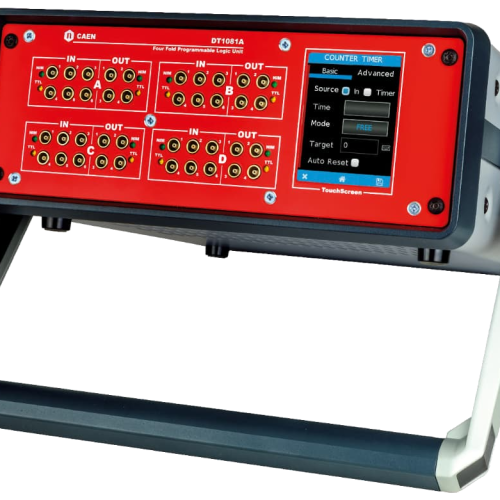
Handy Desktop form factor
-
Wide range of user-selectable functionalities: logic functions, counting, timing, digital pulse generator
-
4 independent sections, each with:
-
6 NIM/TTL/ANALOG input
-
4 NIM/TTL output
-
-
Input stage with Gate&Delay and Leading Edge Discriminator for analog input signals
-
Output stage with Monostable capability
-
2.8” touch screen display with user-friendly widgets to configure each section and monitor real-time data
-
Ethernet (1 Gbps) and USB2.0 connectivity
-
Web-based Graphical User Interface to remotely control the module and access advanced features

Coincidence/Logic/Trigger Units

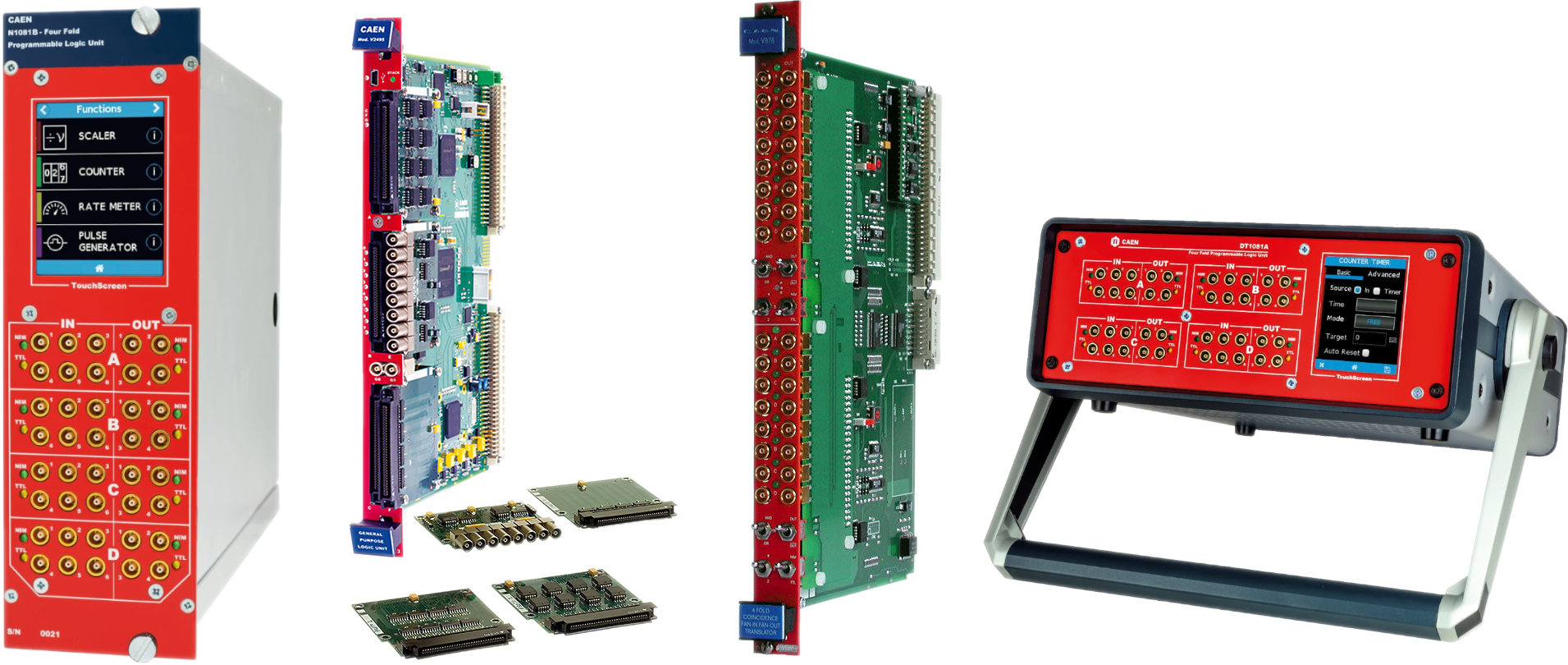
Digital
Coincidence/Logic/Trigger Units
Coincidence/Logic/Trigger Units Models
New
DT1081B
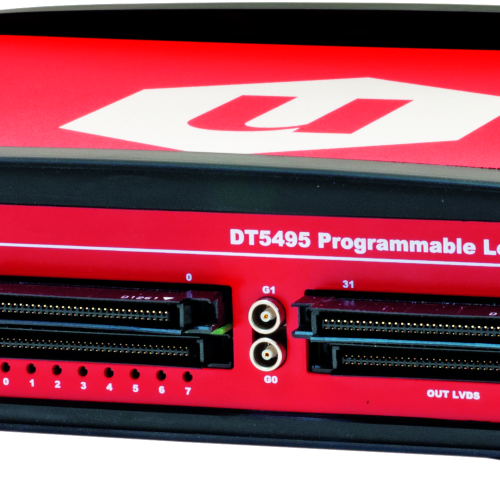
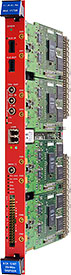
DT5495
-
User Programmable FPGA
-
Compact Desktop form factor
-
Up to 162 inputs, up to 130 outputs
-
LVDS/ECL/PECL/NIM/TTL
-
3 expansion slots for piggyback board:
-
A395A 32 LVDS/ECL/PECL input ch.
-
A395B 32 LVDS output ch.
-
A395C 32 ECL output ch.
-
A395D 8 NIM/TTL input/output ch.
-
A395E 8 Analog output 16bit ch.
-
-
32 independent programmable Gate and Delay Generator
-
Ethernet and Mini-USB 2.0 Connection
-
Available in VME version V2495
-
Supported by SCI-Compiler software tool
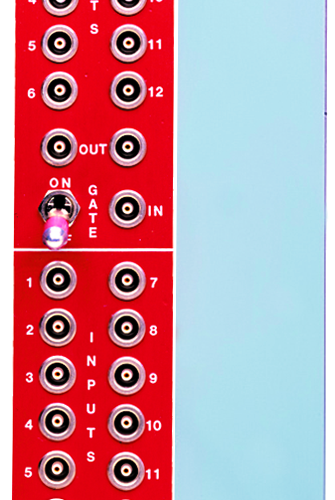
N1081B
-
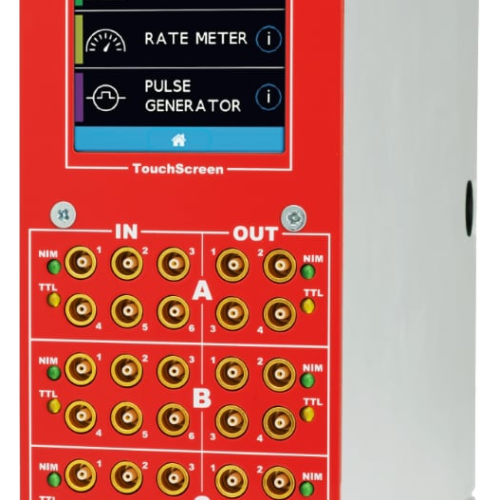
Double-width NIM unit
-
Wide range of user-selectable functionalities: logic functions, counting, timing, digital pulse generator.
-
4 independent sections, each with:
-
6 NIM/TTL/ANALOG input
-
4 NIM/TTL output
-
-
Input stage with Gate&Delay and Leading Edge Discriminator for analog input signals
-
Output stage with Monostable capability
-
2.8” touch screen display with user-friendly widgets to configure each section and monitor real-time data
-
Ethernet (1 Gbps) and USB2.0 connectivity
-
Web-based Graphical User Interface to remotely control the module and access advanced features
-
Python SDK and libraries available for free
N113
- 2 independent OR sections, 12 inputs each
- 1 GATE signal per section
- Cascadeable sections
- Less than 10 ns input/output delay
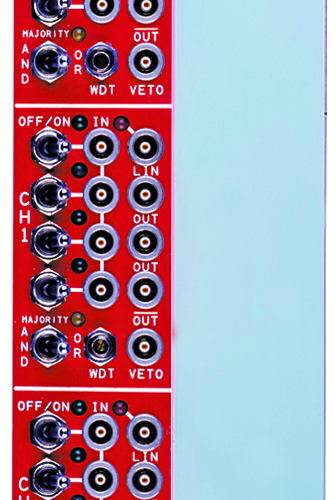
N405
-
Three independent sections with 4 standard NIM inputs each
-
AND, OR, MAJORITY function selectable for each section
-
One auxiliary NIM output per section whose width is equal to the coincidence duration
-
NIM shaped outputs with Fan Out of two
-
One negated NIM shaped output per section
-
One VETO input per section
-
Front panel trimmer for output width adjustment on each section
N408
- 24 DC-coupled Std. NIM inputs
- 50 MHz maximum input frequency
- Majority level settable via front panel trimmer
- Auxiliary input for adder function
- Normal and complementary NIM outputs with adjustable width (40 to 350 ns)
- Normal and complementary linear outputs
- Retriggerable or non retriggerable operating mode selectable through internal jumper
N455
-
4 identical independent sections
-
Two inputs per section
-
130 MHz Max input frequency
-
6 ns double pulse resolution
-
10 ns I/O delay
-
Switch selectable AND/OR logical function
-
Adjustable output FWHM (4 to 650 ns)
-
Overlap output
-
Common Veto
Obsolete
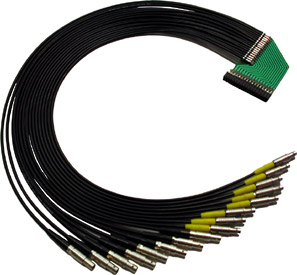
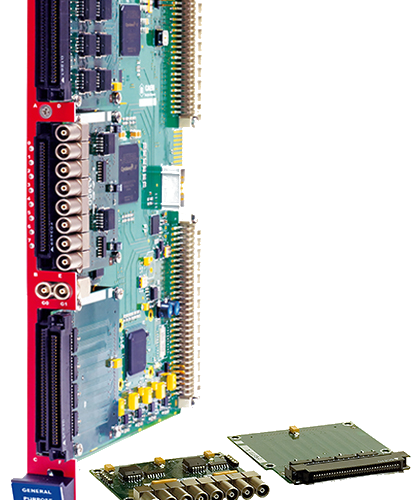
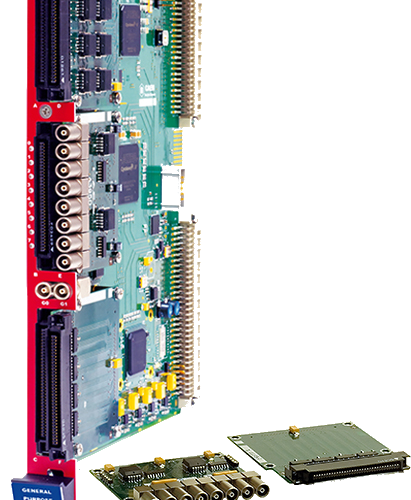
V1495
-
User customisable FPGA Unit (with preloaded demo code)
-
LVDS/ECL/PECL inputs (differential)
-
64 inputs, expandable to 162 (with 32 outputs)
-
32 outputs, expandable to 130 (with 64 inputs)
-
405 MHz maximum frequency supported by clock tree for registered logic
-
I/O delay smaller than 15 ns (in Buffer Mode)
-
Programmable 3-color LED
-
Libraries (C and LabView) and Software tools for Windows and Linux
V2495
-
User customisable FPGA Unit
-
LVDS/ECL/PECL inputs (differential)
-
64 inputs, expandable to 162 (with 32 outputs)
-
32 outputs, expandable to 130 (with 64 inputs)
-
32 independent programmable Gate and Delay Generators
-
3 expansion slots for piggyback board
-
Mini-USB 2.0 Connection
-
Available in Desktop version DT5495
V976
-
Four independent sections with four channels each
-
TTL and NIM inputs automatically detected
-
NIM/TTL selectable output level
-
AND, OR, Majority function with selectable number of inputs
-
Logic Fan In / Fan Out
-
Selectable direct or negated output
Footer