

Astrophysics
Astrophysics experiments around the world are essential for investigating the fundamental forces and particles that shape our universe. These experiments range from studying high-energy cosmic rays that penetrate Earth’s atmosphere to observing subatomic particles produced by distant astronomical events.
By deploying detectors in underground laboratories, on mountaintops, and even in space, scientists can capture rare interactions and track particles like neutrinos and muons, which hold clues about cosmic origins and evolution.
Through these global efforts, researchers aim to uncover insights into astrophysical phenomena, advancing our understanding of the universe’s complex structure and its cosmic forces.

Examples of our products used:
CAEN products are extensively utilized in astrophysics research, supporting experiments that investigate cosmic phenomena across a range of wavelengths and energies. From cosmic ray detection to gamma-ray and neutrino observatories, CAEN’s high-precision power supplies and data acquisition systems ensure stable performance in demanding environments.
Pierre Auger Observatory
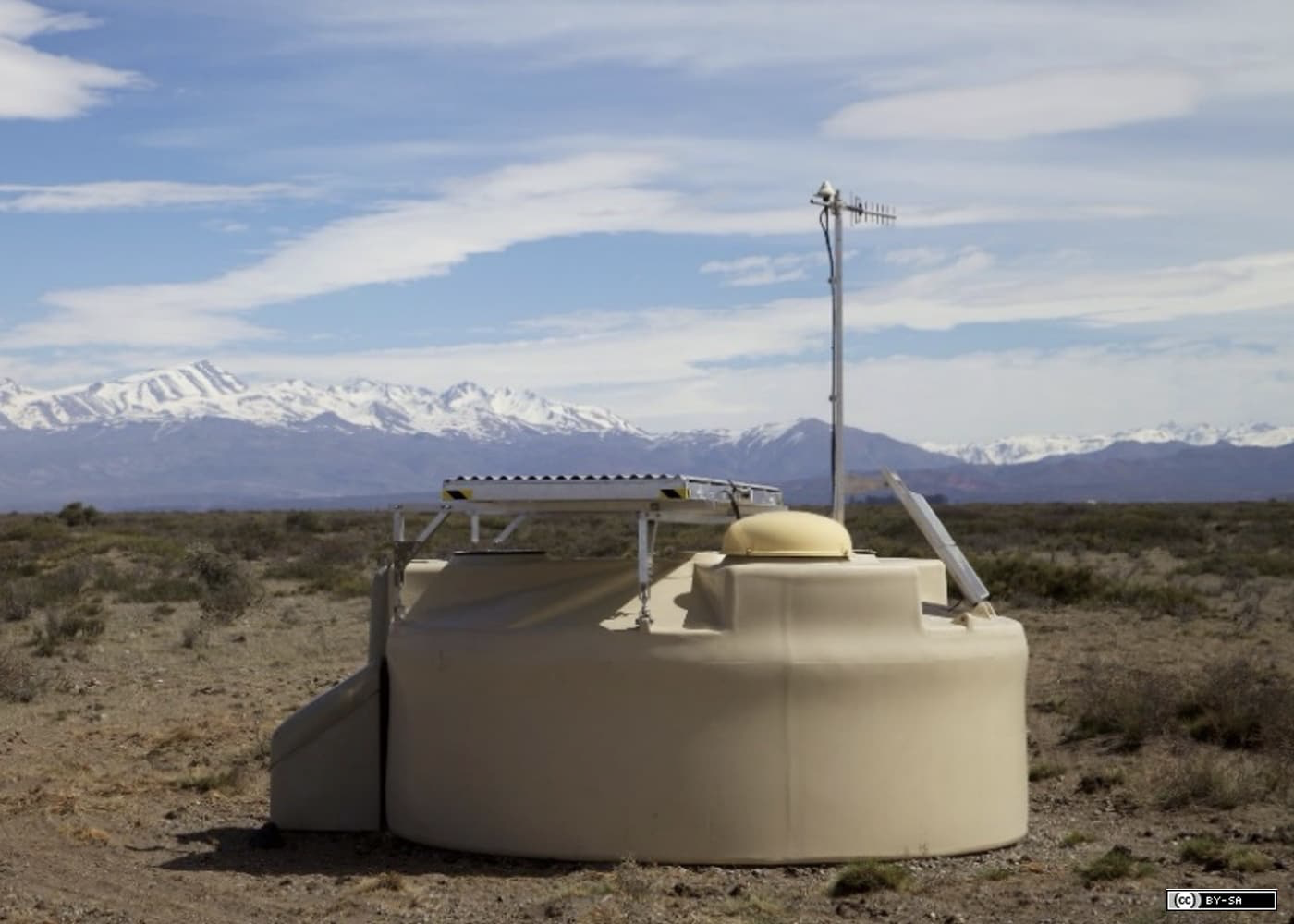
The Pierre Auger Observatory, located in Argentina, is a large-scale international facility dedicated to detecting ultra-high-energy cosmic rays. These cosmic rays, which are among the most energetic particles in the universe, strike Earth’s atmosphere and produce extensive particle showers that can be observed using an array of detectors spread over a vast area. The observatory uses both Surface Detectors, which detect Cherenkov light from particles passing through water tanks, and Fluorescence Detectors that capture ultraviolet light emitted by nitrogen as particles travel through the atmosphere.
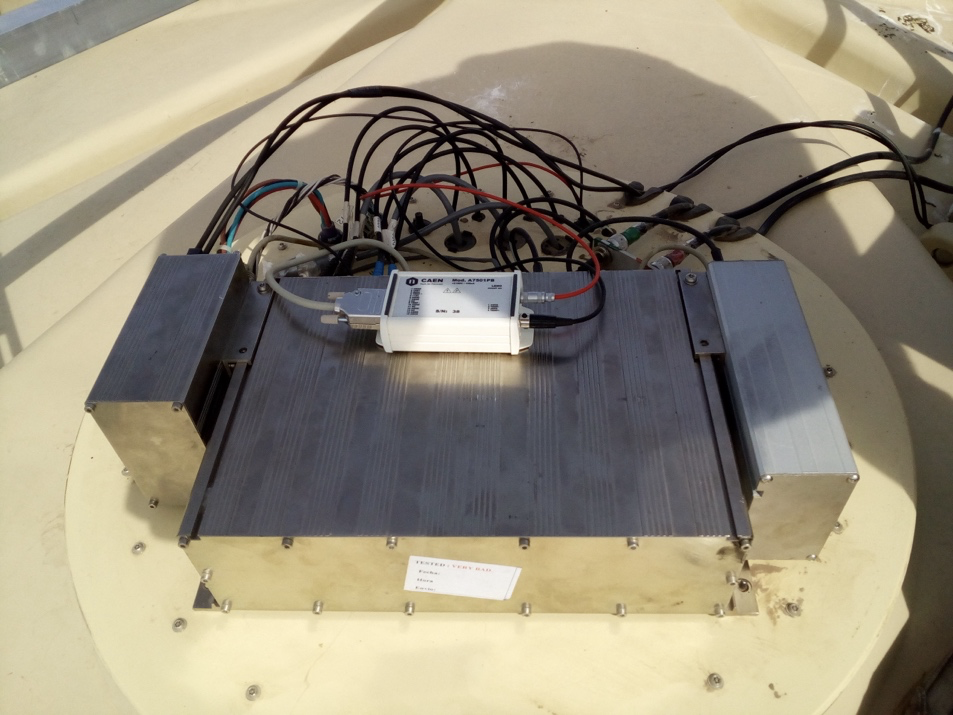
To support this effort, CAEN developed high-voltage modules (A7501PB) specifically adapted to withstand the challenging environmental conditions of the remote Argentinian landscape. These modules are designed to provide stable, high-voltage power to the photomultiplier tubes (PMTs) within the Surface Detectors. The PMTs are critical for detecting the faint Cherenkov light produced by high-energy particles interacting with water. Each CAEN HV module supplies up to 2.1 kV with a maximum current of 100 μA, ensuring the PMTs have the necessary power to function reliably. The modules are engineered for durability and minimal maintenance, which is essential given the isolated location of the observatory and the limited access for repairs or adjustments.
ALMA observatory – Atacama Large Millimeter/submillimeter Array
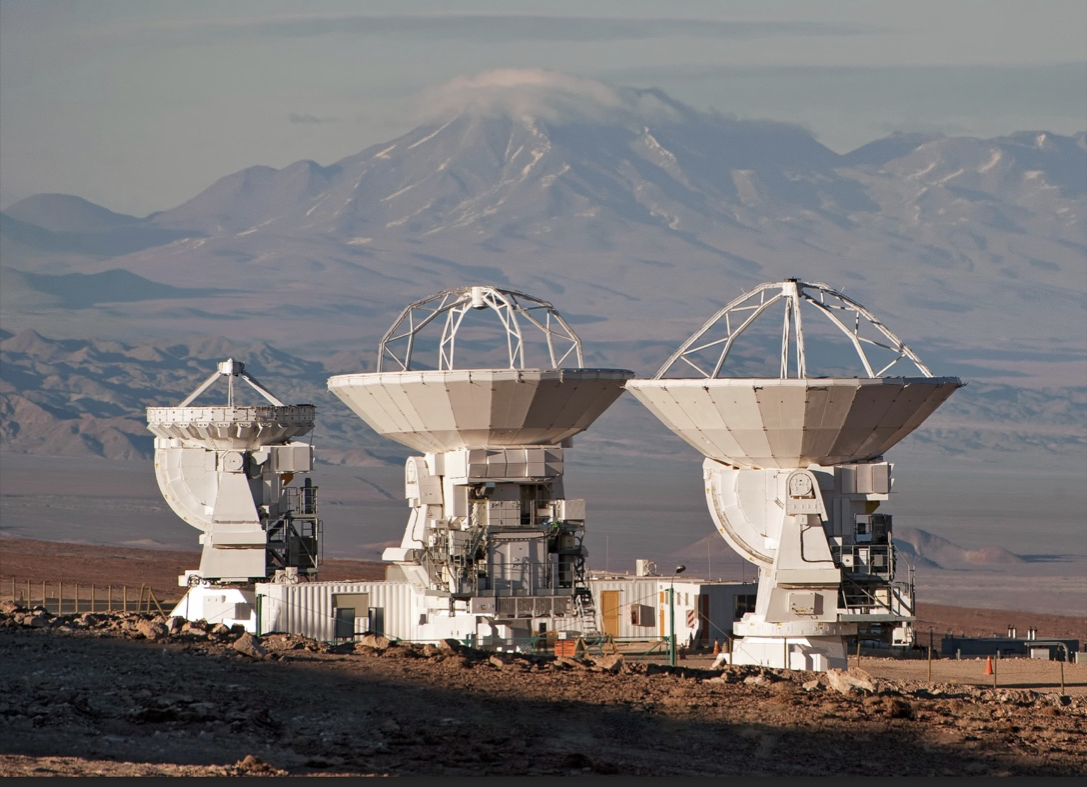
The Atacama Large Millimeter/submillimeter Array (ALMA) is an advanced astronomical observatory located at 5000 meters above sea level on the Chajnantor plateau in northern Chile. This powerful facility, designed for high-precision astronomical observations, consists initially of 66 high-precision antennas operating at wavelengths from 0.3 to 9.6 mm. ALMA’s main array includes fifty 12-meter-diameter antennas that function together as an interferometer, effectively acting as a single, ultra-sensitive telescope. In addition, a compact array with four 12-meter and twelve 7-meter antennas enhances the resolution and sensitivity of the system.
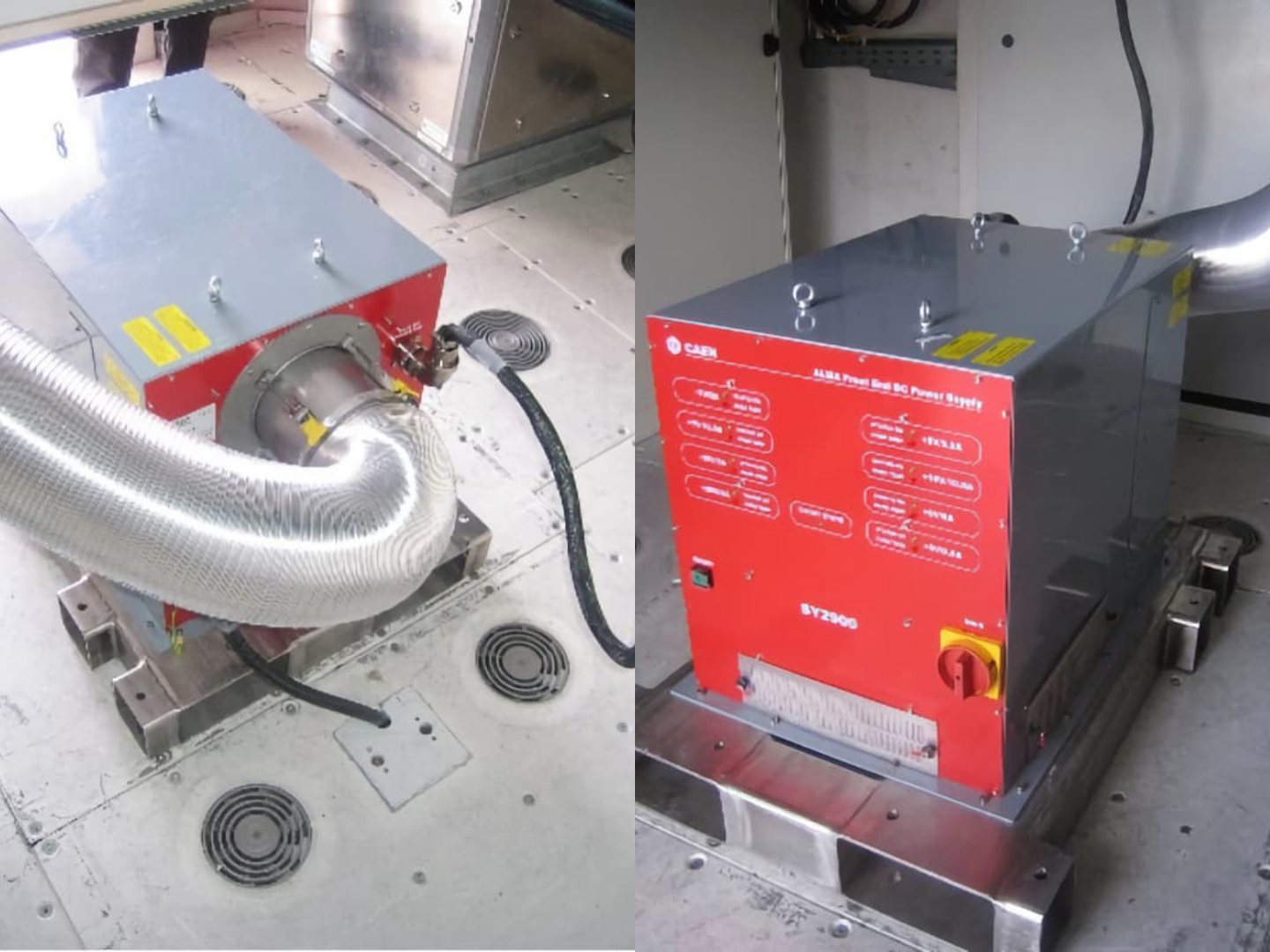
The Front-End data acquisition system is located in the base cabin of each antenna, that is powered by a custom Low Voltage Power Supply (LVPS) unit developed by CAEN, model SY2900. The SY2900 power supply provides eight distinct low-voltage outputs, each characterized by exceptionally low ripple to ensure stable and interference-free power to sensitive equipment. Additionally, the SY2900 is fully remote-controllable, allowing precise voltage adjustments and diagnostics from the Operations Support Facility.
HAWC, LHAASO and VERITAS Experiments
The High Altitude Water Cherenkov Observatory (HAWC), the Large High Altitude Air Shower Observatory (LHAASO), and the Very Energetic Radiation Imaging Telescope Array System (VERITAS) are major astrophysics experiments focused on observing high-energy cosmic phenomena, including gamma rays and cosmic rays.
- HAWC is a gamma-ray and cosmic ray observatory located at high altitude, designed to detect Cherenkov radiation produced when these particles interact with water tanks in the detector array.
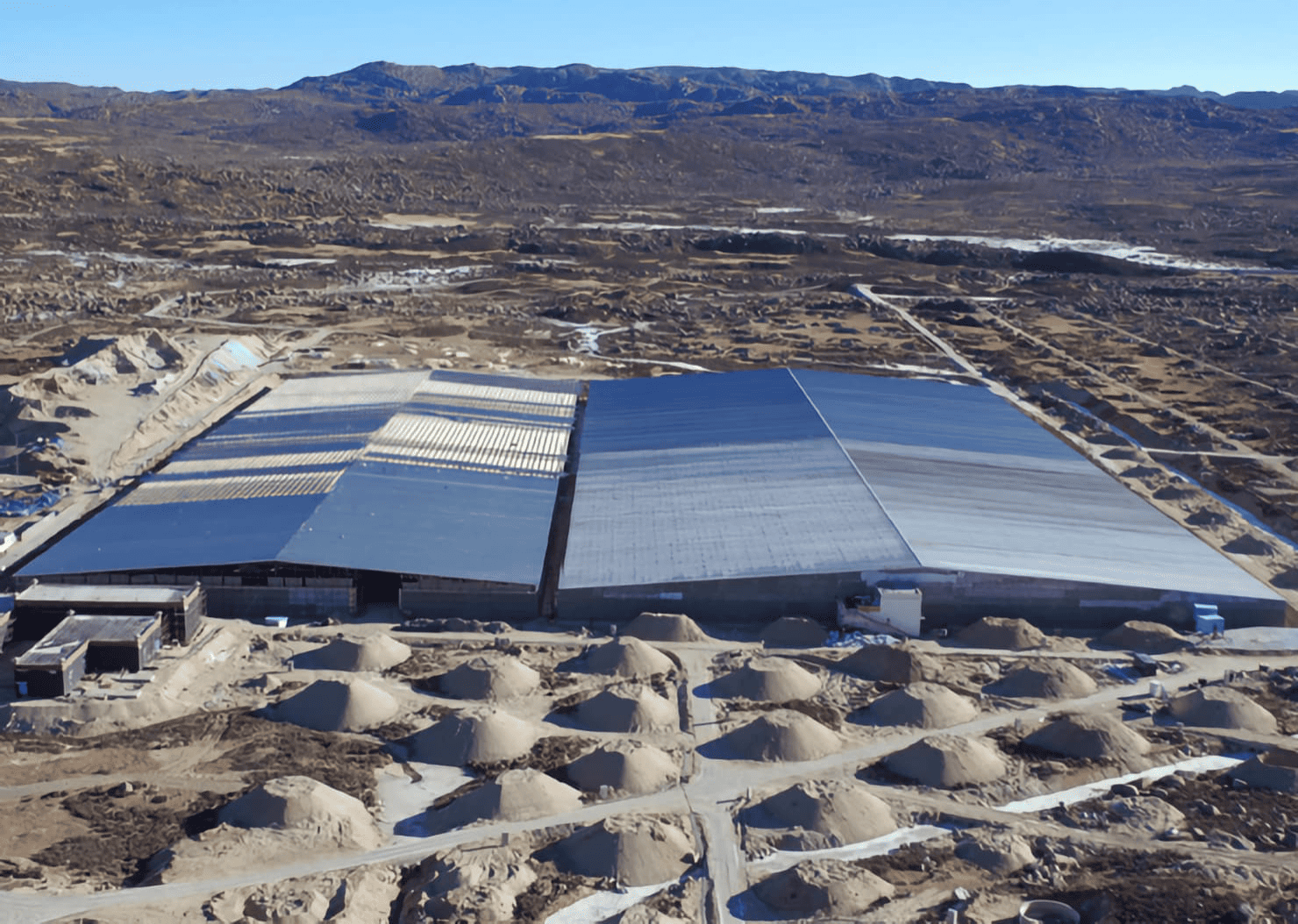
- LHAASO is a large-scale observatory under construction, featuring an extensive array of hybrid detectors to capture data from air showers caused by cosmic rays entering the atmosphere.
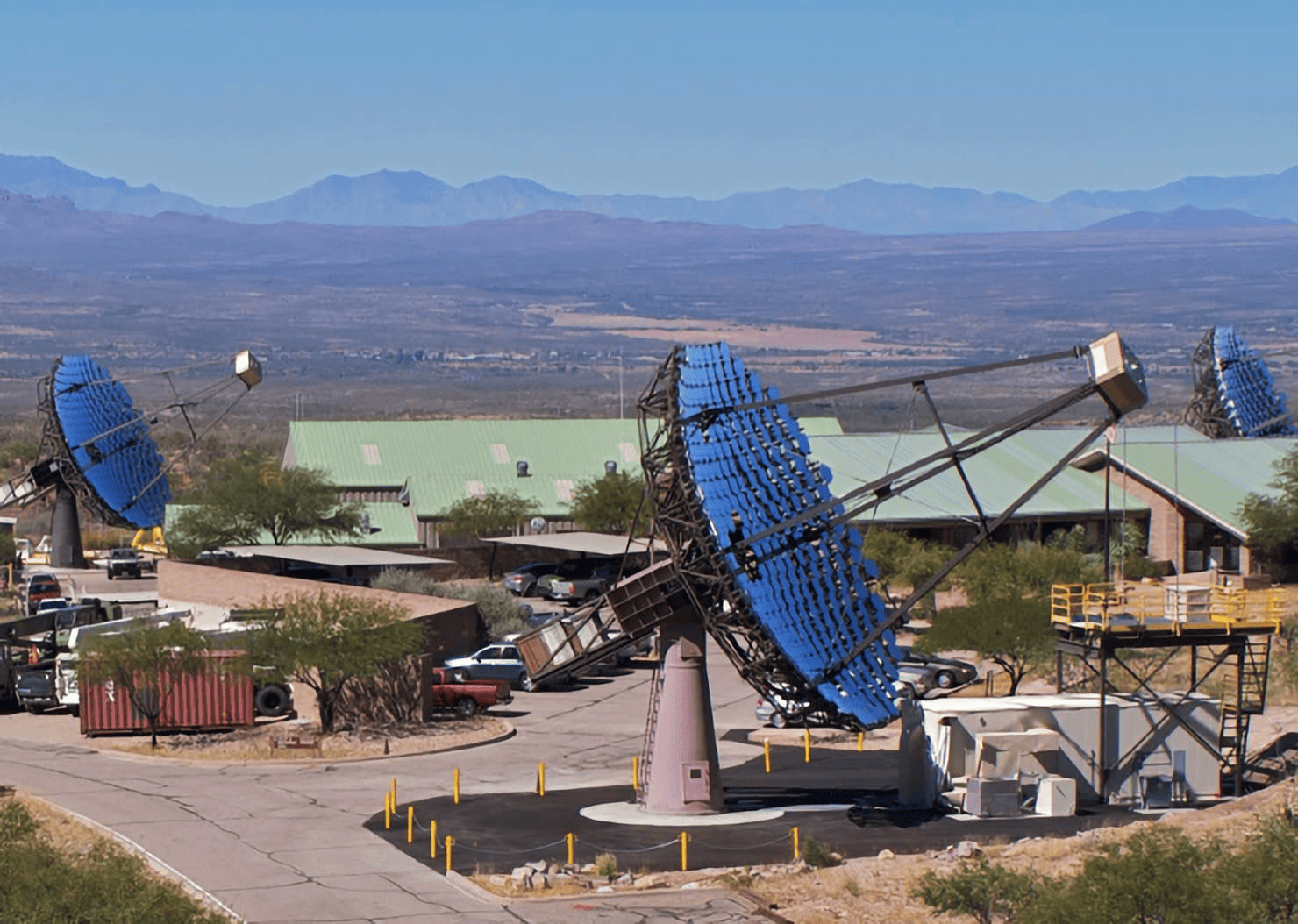
- VERITAS is a gamma-ray observatory with an array of four 12-meter optical telescopes, each designed to observe very high-energy gamma rays by capturing their Cherenkov radiation.
All three of these observatories employ photomultiplier tubes (PMTs) that require stable, high-voltage power supplies to operate effectively in challenging environmental conditions. To meet this demand, CAEN provides the SY4527 Universal Multichannel System, a modular, flexible power supply system engineered for high-voltage and low-voltage power distribution. This system accommodates a range of CAEN power supply boards, including those necessary for providing consistent high voltage to PMTs in detector arrays like those used by HAWC, LHAASO, and VERITAS.
The SY4527 mainframe houses up to 16 boards and includes a power supply section with modular power units capable of delivering up to 4200 W. It features remote control capability, allowing researchers to manage and monitor power distribution across the observatory’s systems in real time.
ASTRI Telescopes
The ASTRI (Astrophysics with Italian Replicating Technology Mirrors) project is pioneering the next generation of ground-based telescopes for gamma-ray astronomy, employing a dual-mirror design in its telescopes for compactness and precision. At the core of each ASTRI telescope in the Mini-Array is the Cherenkov camera, an advanced system designed to detect Cherenkov light produced by high-energy gamma rays interacting with the atmosphere. This setup is uniquely sensitive to the 1-100 TeV range, allowing for high-sensitivity observations with exceptional angular resolution.
CAEN plays a role in the Cherenkov cameras by supplying the data acquisition electronics. Each camera is equipped with 32 application-specific integrated circuits (ASICs) based on Weeroc chips, developed to amplify and process the photon signals collected by the camera’s silicon photomultiplier (SiPM) matrices. These ASICs are integrated with Xilinx FPGAs, which handle the fast data processing required for high-energy astrophysics. Data from each ASIC is funneled to a concentrator, which consolidates, formats, and processes event data from the ASICs. This concentrator is then connected to a White Rabbit network, achieving sub-nanosecond synchronization across the array of telescopes.
The sub-nanosecond timing enabled by White Rabbit technology effectively unites the array of nine Cherenkov telescopes into a single, coherent observatory.